Notification
Add your email and we'll notify you when this product is back in stock
We respect your privacy and don't share your email with anybody.

perfume facts
SILLAGE VS PROJECTION The difference that changes how you wear perfume
Projection
Sillage
Longevity
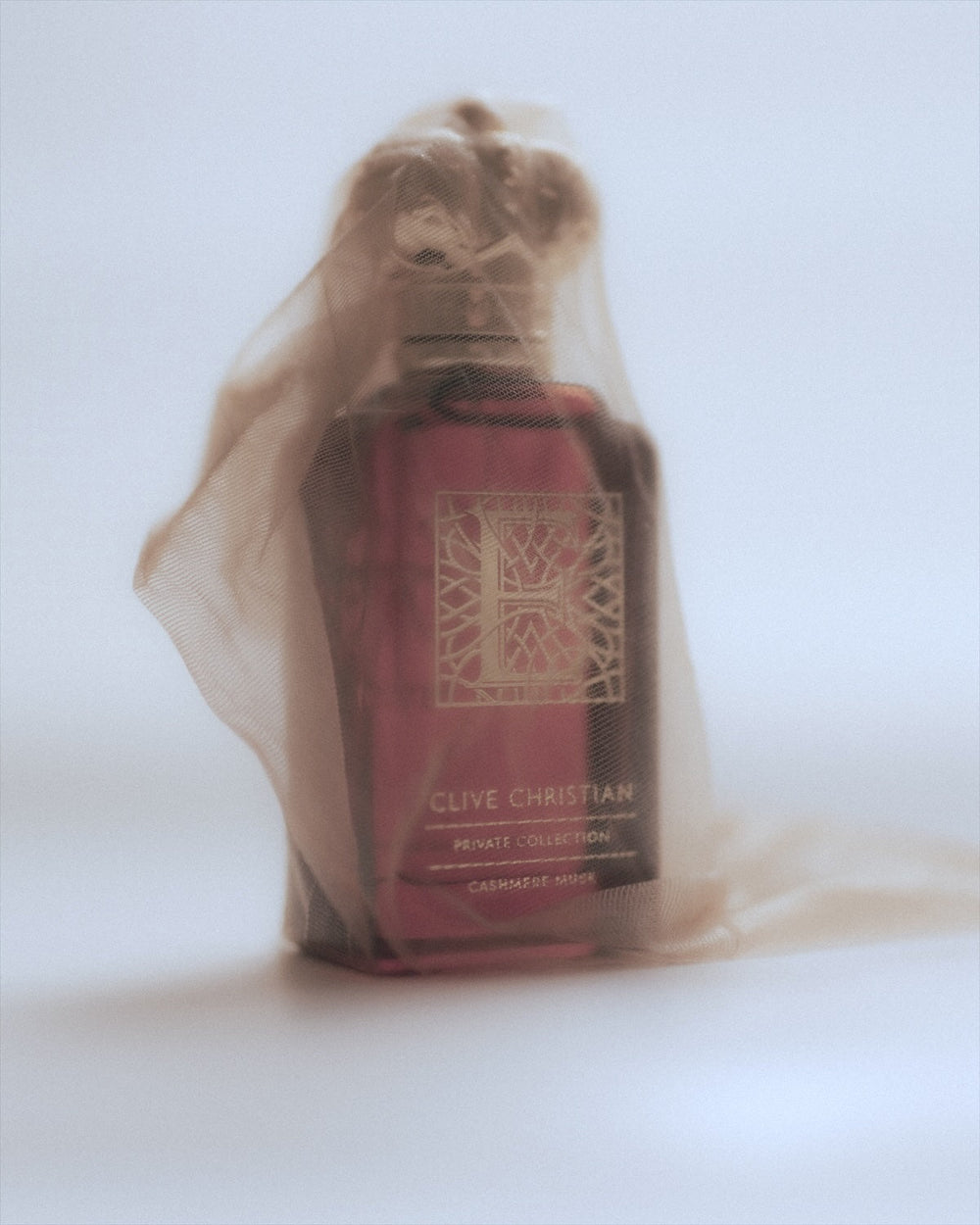
Projection is one of the most immediate ways a fragrance is noticed. It defines your scent in the present moment, how far it travels outward, and how clearly it can be detected by those around you.
A fragrance with a softer projection will remain close to the skin to fashion a more subtle, intimate experience. It invites discovery without being overwhelming. In contrast, a perfume with a stronger projection will extend further into the space around you, creating a more immediate impression on others.
While a soft projection may feel more refined and intentional for quieter environments, a more expansive projection can feel confident, expressive, and more suited to social settings.
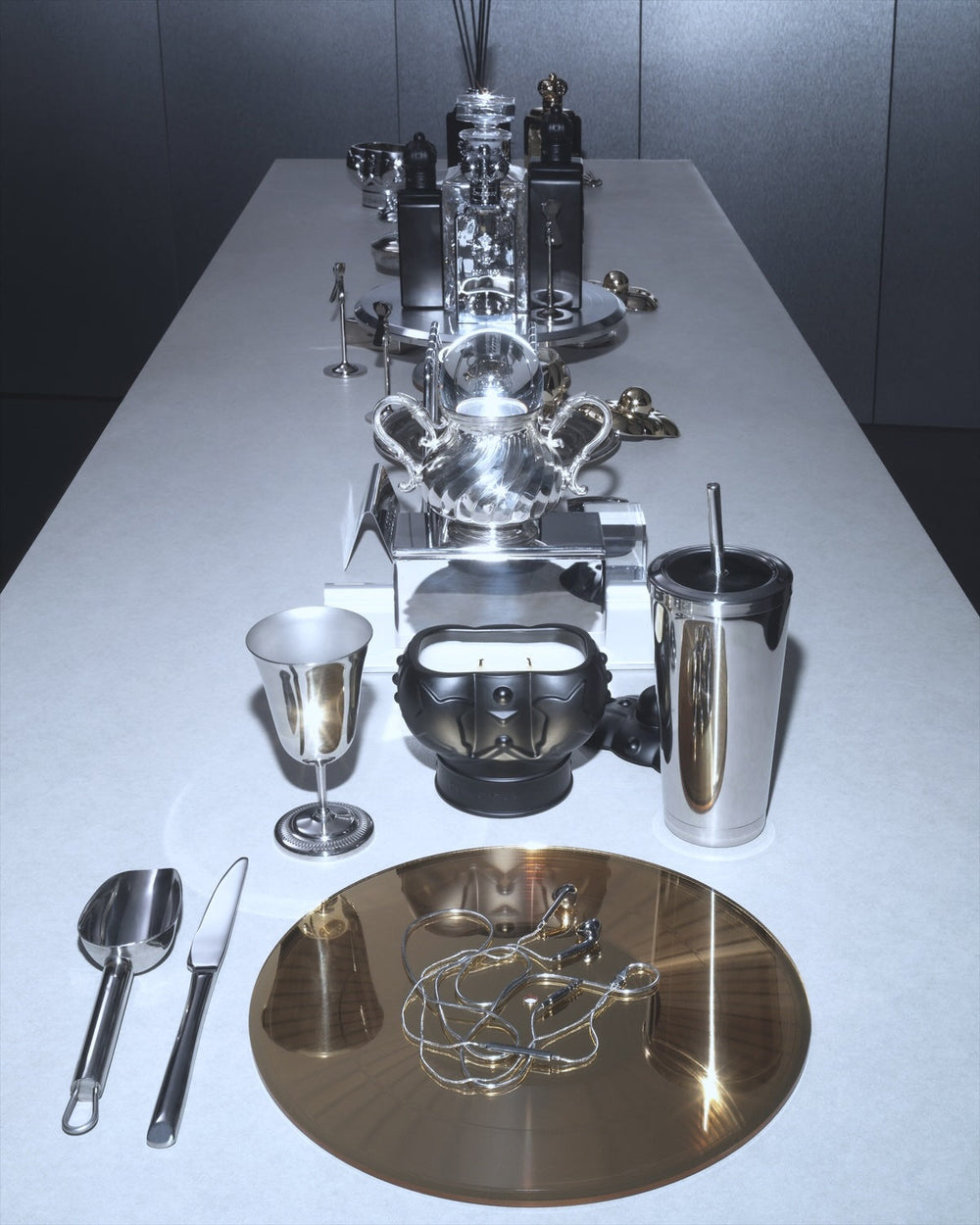
Sillage is the imprint that remains after you've moved through a room. While less immediate than projection, it's often more memorable and lasting. A fragrance with a noticeable sillage leaves behind a softened trace, something discerned in the moments after you pass by.
This is why the sillage of a perfume is closely connected to memory. It influences how a fragrance is remembered. Where projection defines presence, sillage defines the wake, creating an experience that is continuous.
WHERE PROJECTION DEFINES PRESENCE, SILLAGE DEFINES THE WAKE.
And finally, a fragrance's longevity may span hours without ever becoming noticeable from a distance. In other words, a fragrance's performance isn't defined by longevity alone, but by how these elements interact from the first impression to its deeper base notes.
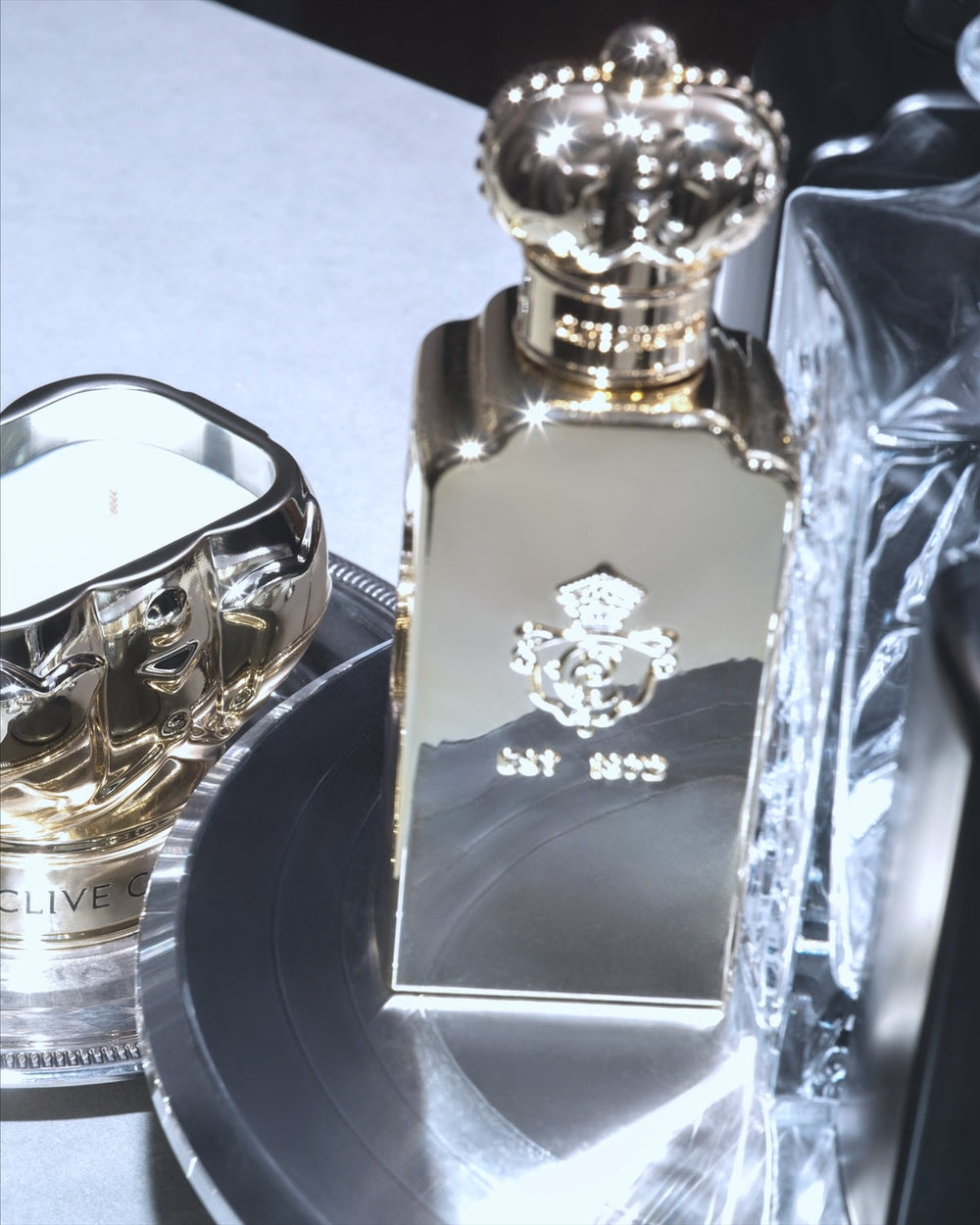
Fragrance concentration does contribute to how a perfume performs, but it doesn't illustrate the entire experience. A fragrance with a higher concentration, such as an extrait, contains a greater proportion of aromatic oils and other compounds, which play a role in depth and longevity. However, projection is also influenced by the types of ingredients used, how volatile they are, and how the overall fragrance is composed.
For example, lighter top notes may create a notable projection in the beginning due to a higher alcohol content, even when the perfume has a lower concentration level. On the other hand, a higher concentration level may have a softer projection and remain closer to the skin, due to a lower alcohol content. Ultimately, concentration enhances longevity and identity, but it does not, on its own, determine how far a fragrance projects.
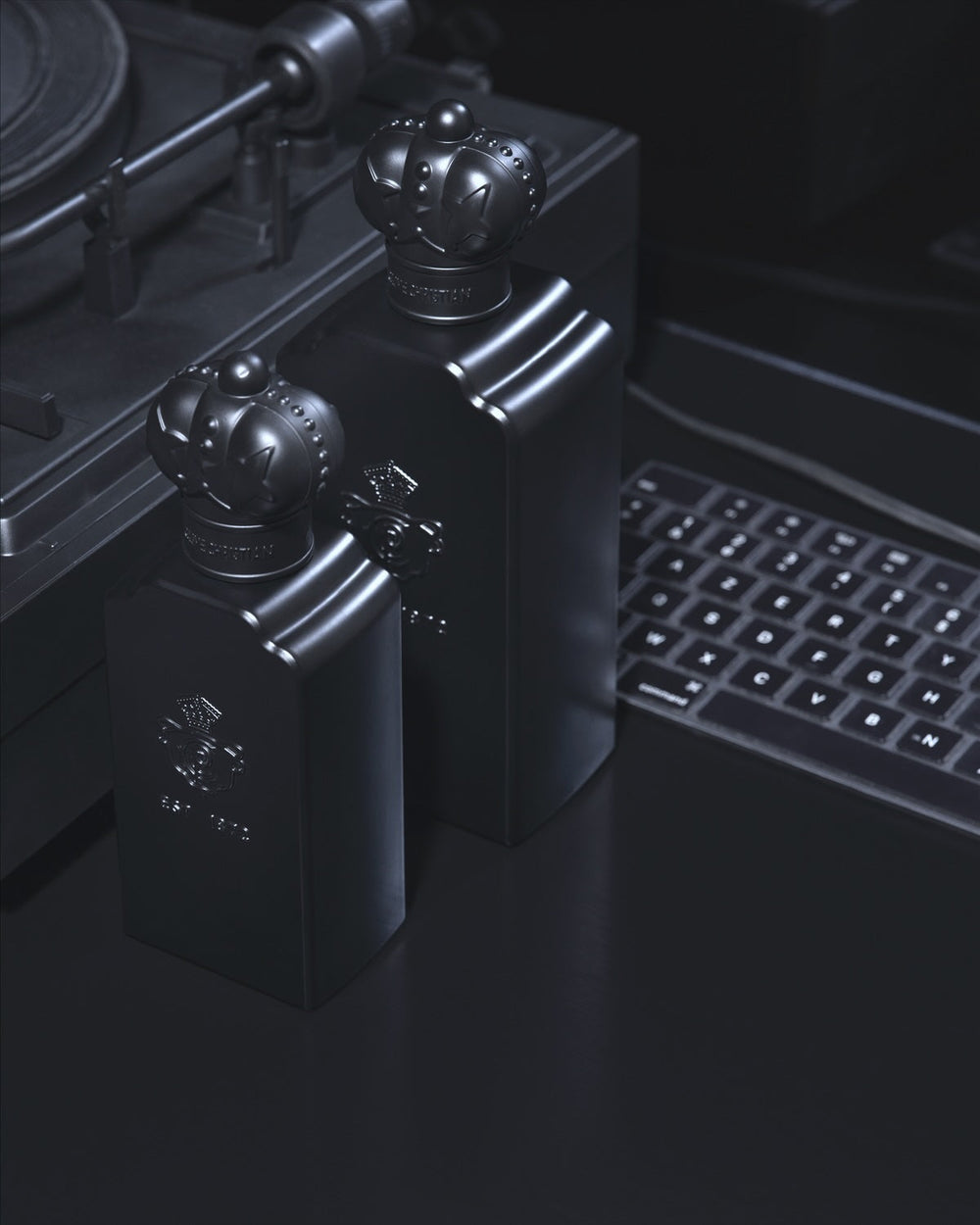
Sillage shapes how a fragrance diffuses into the air over time, and the concentration of a perfume can influence this effect. A higher perfume concentration often generates a smoother, more continuous scent trail that's longer lasting. However, how the scent trail unfolds will depend on the fragrance's formula.
Airy florals or musk notes may leave a delicate, continuous presence, while deeper notes of wood and resin may feel more grounded on the skin. Rather than thinking of higher concentration levels as a stronger sillage, think of it in terms of the perfume's texture: how it moves and what sensations it elicits over time.
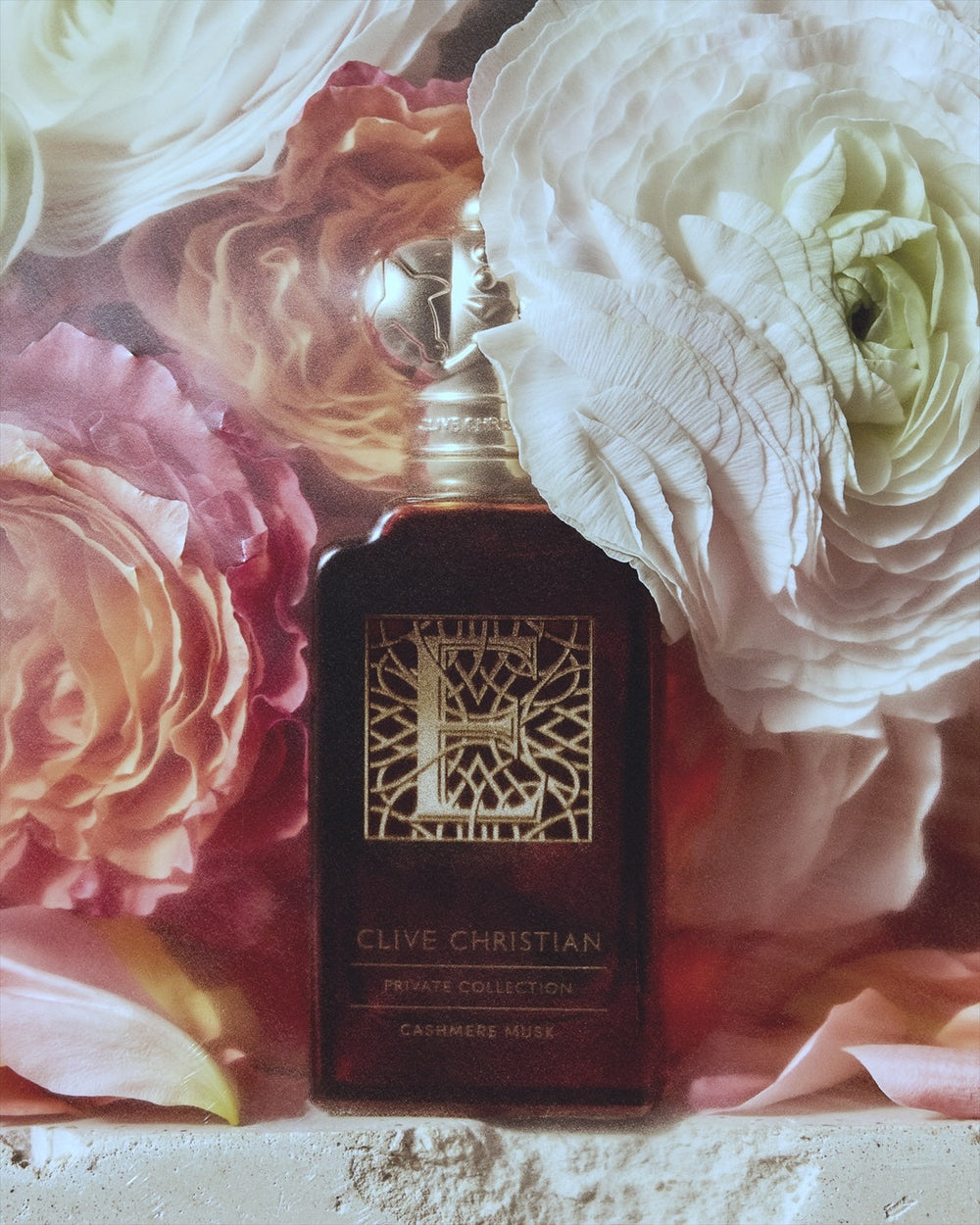
Fragrances are designed to evolve over time, and each stage influences sillage and projection differently. Top notes like citrus and light fruits tend to be more volatile and fleeting. They lift from the skin quickly and create the impression of a stronger projection in the scent's opening moments.
Heart notes form the center of a fragrance and, depending on their composition, may either maintain projection or begin to draw closer to the skin. Base notes, like wood and amber, develop more slowly and are often responsible for a fragrance's lasting impression, helping shape the scent trail and longevity.
This progression is why perfumes feel more noticeable in the beginning, then settle into something more intimate over time.
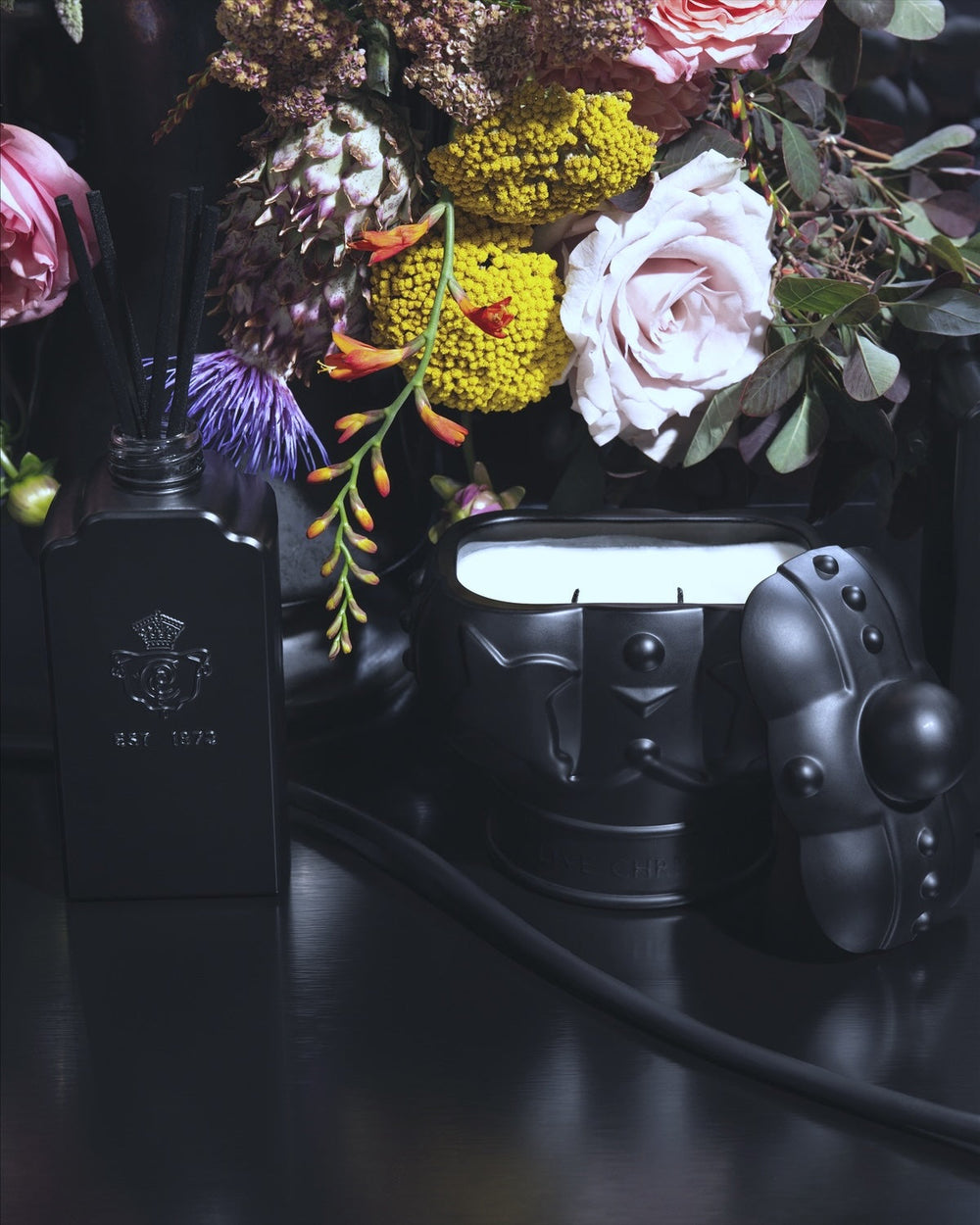
Perfume performance also comes down to the setting in which it is worn. In closer settings, like intimate gatherings at home or at work, a perfume with a softer projection may feel more suitable. It's neither overbearing nor loud, but rather refined and intentional in the way it sits closer to the skin.
In larger, open-air environments and evening settings, a fragrance that radiates with a stronger projection or more noticeable sillage may feel more expressive, as it has more space to unfold freely.
And in the daytime, when moving from space to space, a perfume that's balanced in both sillage and projection can feel present without being overwhelming. The key to choosing the perfect scent is to look for one that feels aligned with where you intend to wear it.
THE KEY TO CHOOSING THE PERFECT SCENT IS TO LOOK FOR ONE THAT FEELS ALIGNED WITH WHERE YOU INTEND TO WEAR IT.
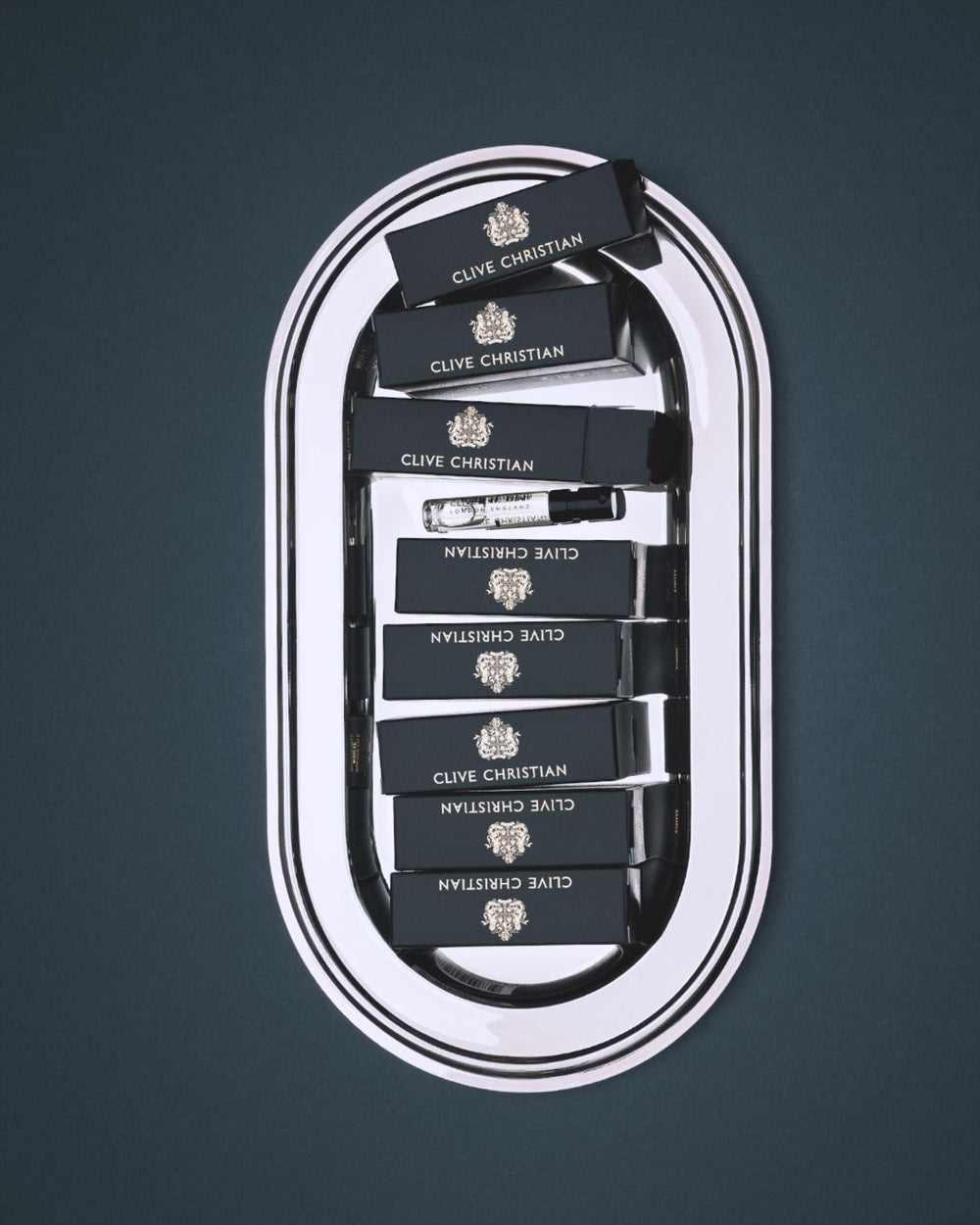
Start by spraying the perfume on a blotter. This will help you smell the top notes of the fragrance more clearly, without any interference from your skin chemistry. Next, spray the fragrance on each pulse point and allow time for the scent to develop. The opening of a perfume may feel more exaggerated in projection as volatile fragrance molecules evaporate quickly.
Sillage will become more noticeable as you move through a space over time, offering insight into how the fragrance behaves beyond its initial spray.
Ask yourself: how do you want your fragrance to be experienced? Sample perfumes with our Clive Christian Traveller Sets to explore different concentrations and compositions of notes. Remember, choosing a fragrance is a journey toward personal self-expression and discovery.
Frequently asked questions
What is the difference between sillage and projection?
Does higher concentration always mean stronger projection?
Can a perfume have strong longevity but softer projection?
How can I tell what other people will notice first?
Where can I explore Clive Christian fragrances by concentration or style?
bestsellers


fresh aldehyde, white musk & immortelle
Uncovered
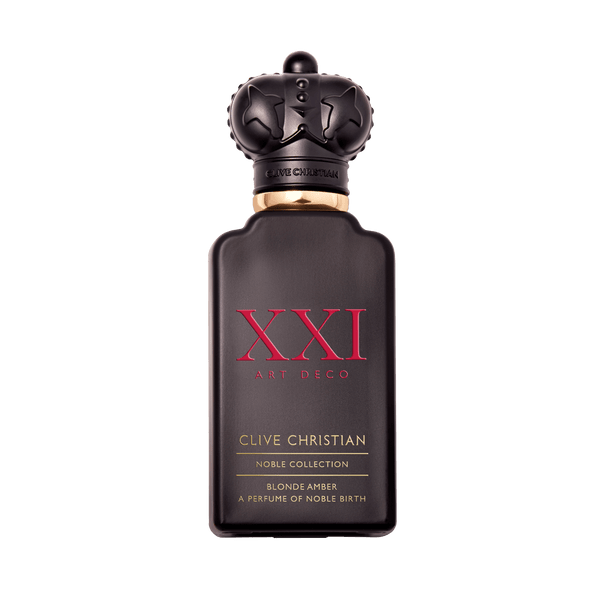
bitter orange, tonka & blonde tobacco
Blonde Amber
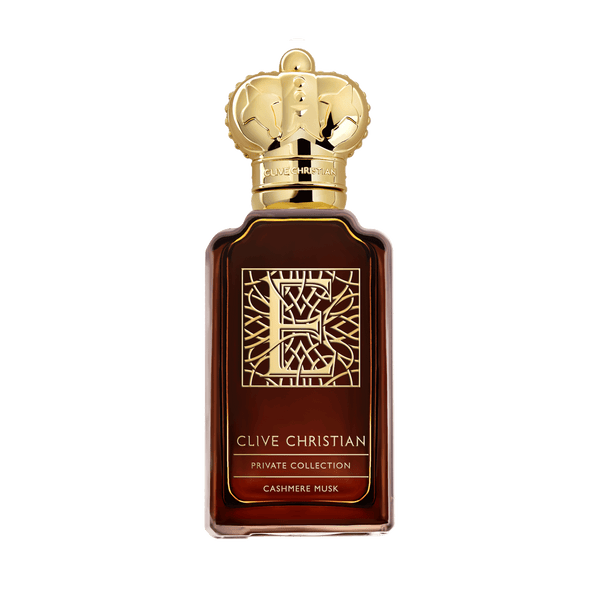
Baies Rose, Musk & Fleuriste Fusion
E Cashmere Musk

Gift Card

Coffee, Cocoa Absolute & Jasmine
Strange Heavens Out of the Blue
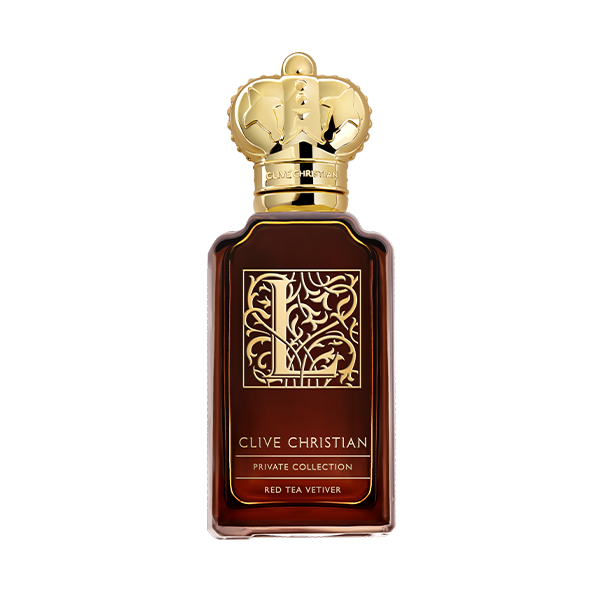
Lemon Primofiore, sandalwood & Rooibos
L Red Tea Vetiver
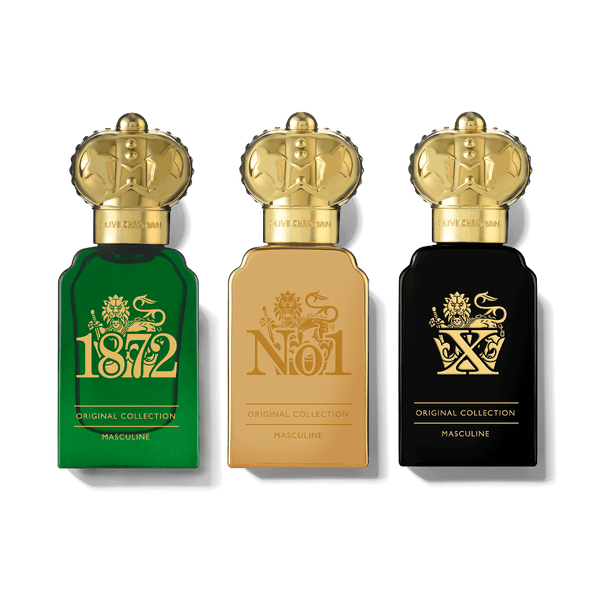
Masculine Traveller Set
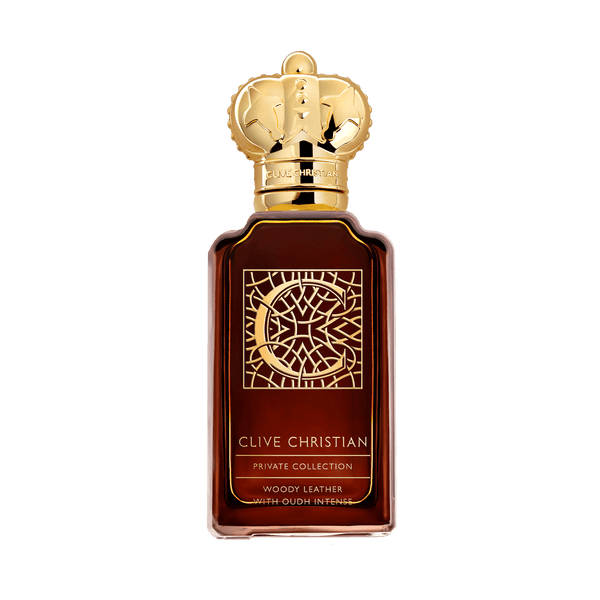
mandarin, tobacco & saffron
C Woody Leather
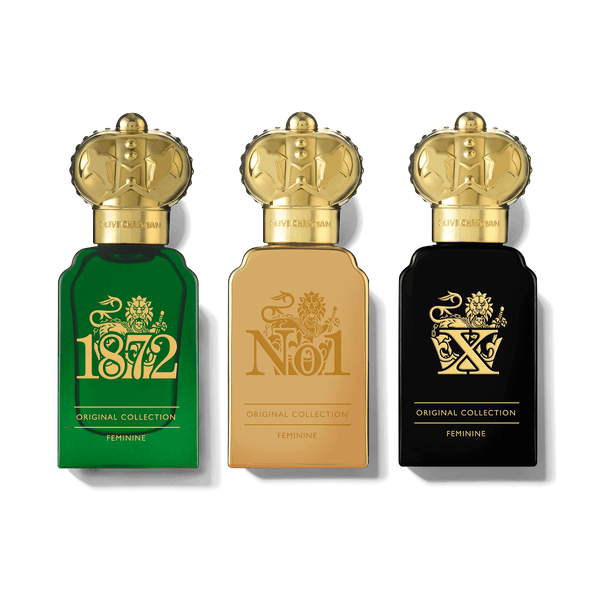
Feminine Traveller Set
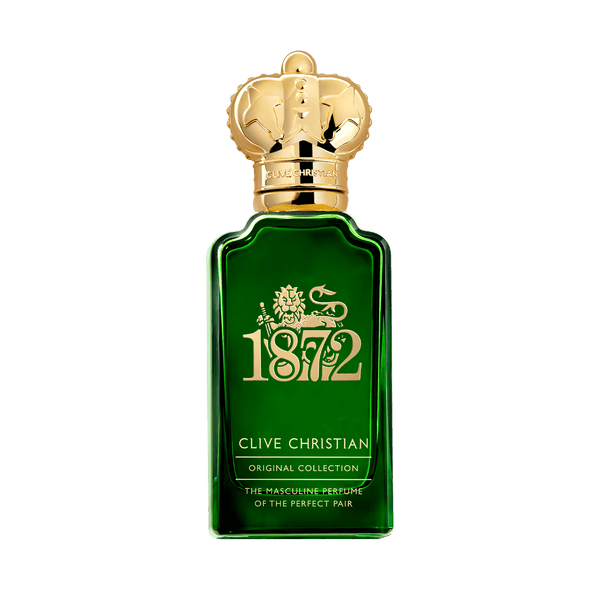
petitgrain, cedarwood & clary sage
1872 Masculine
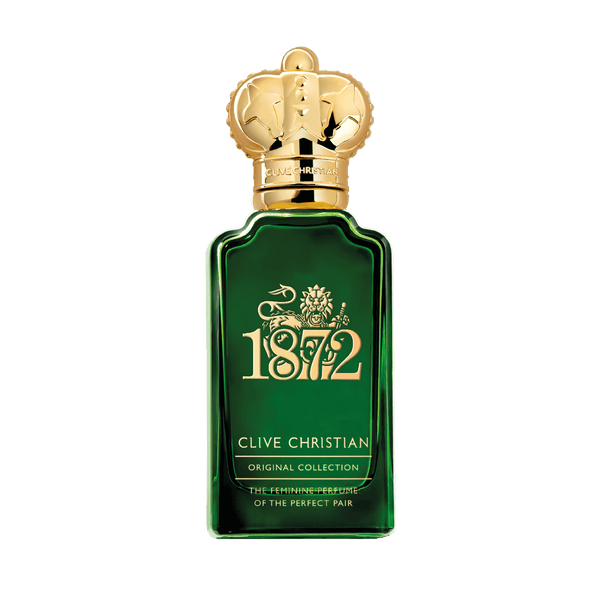
bergamot, patchouli & rose de mai
1872 Feminine
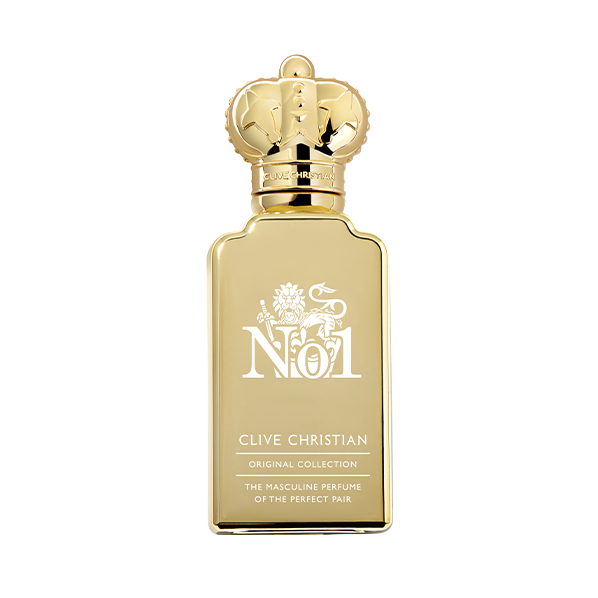
nutmeg, sandalwood & tonka
No1 Masculine
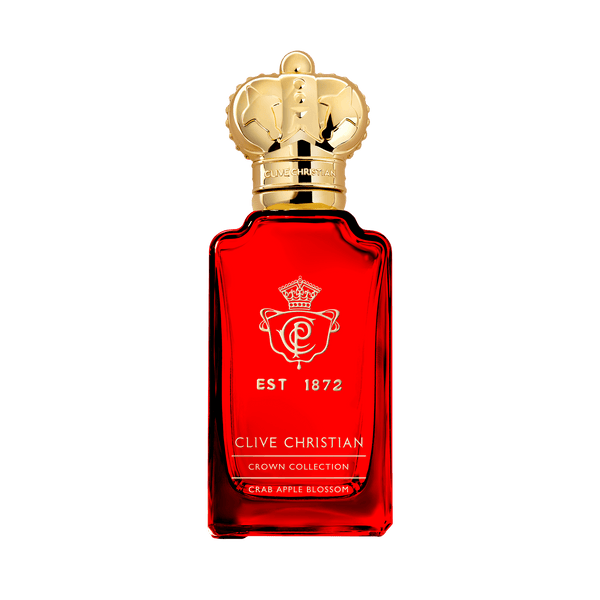
apple blossom, sandalwood & rhubarb
Crab Apple Blossom
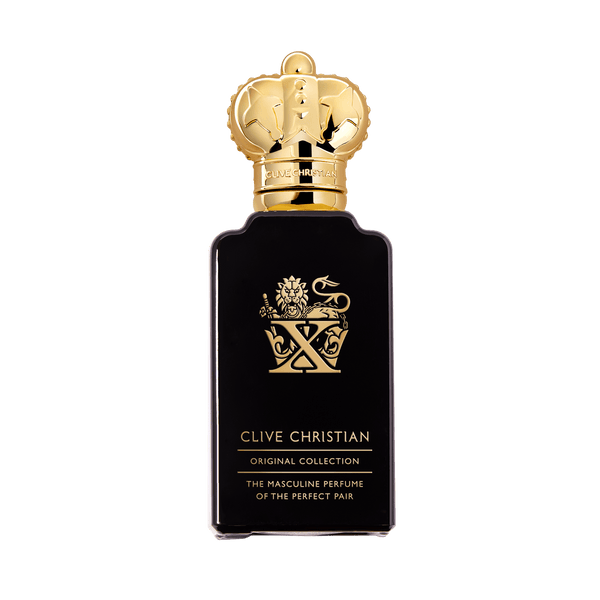
cardamom, oakmoss & orris
X Masculine
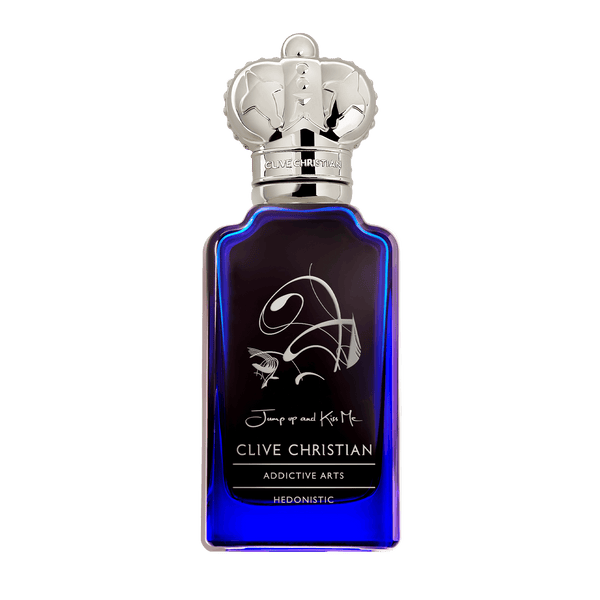
matetea, labdanum & tobacco
Jump up and Kiss Me Hedonistic
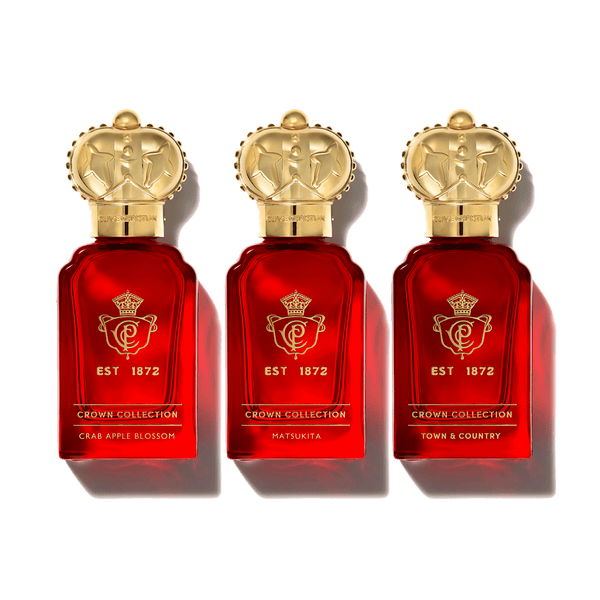
Crown Traveller Set
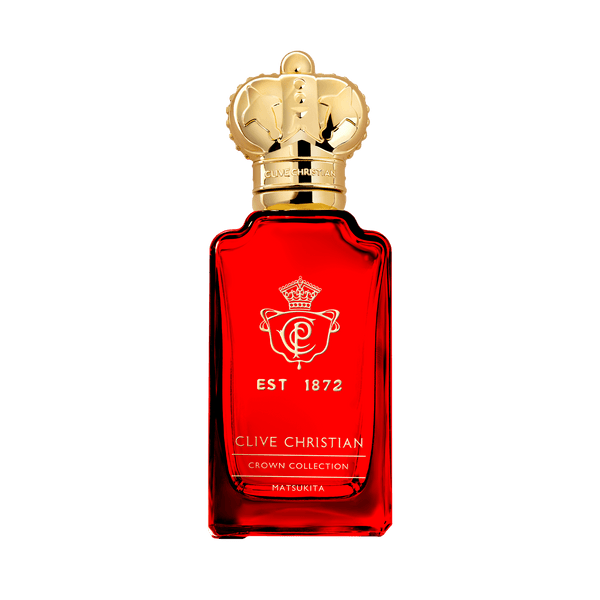
bergamot, oakmoss & mate tea
Matsukita

peach, cashmere musk & jasmine
X Feminine
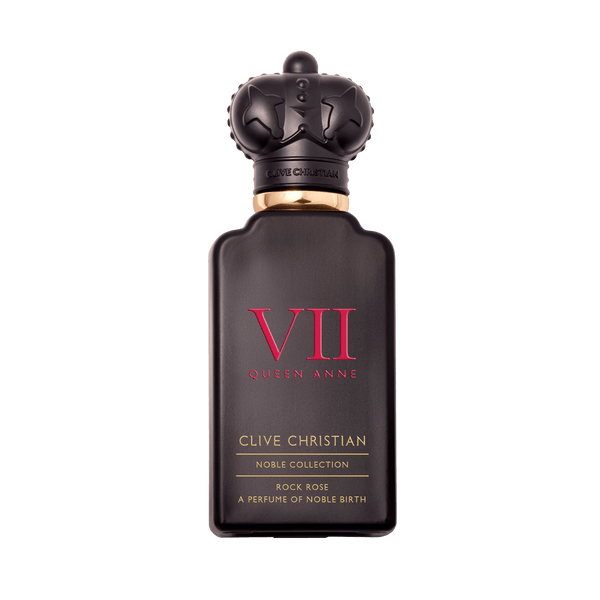
tarocco orange, saffron & rock rose
Rock Rose
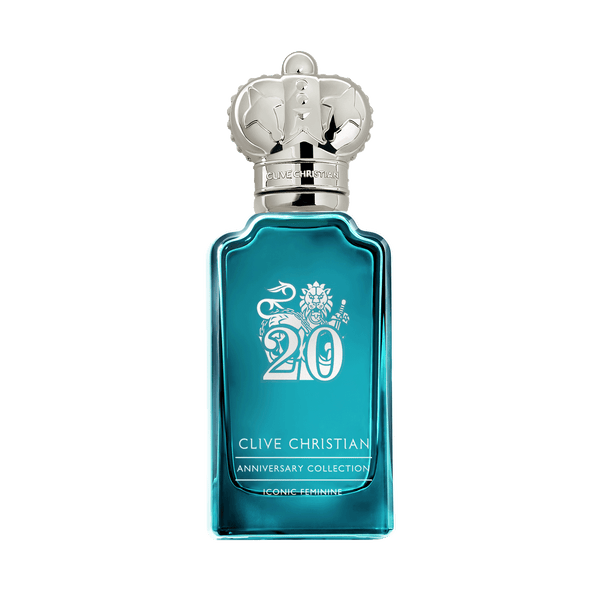
Saffron, Honey & Damask Rose
Iconic Feminine
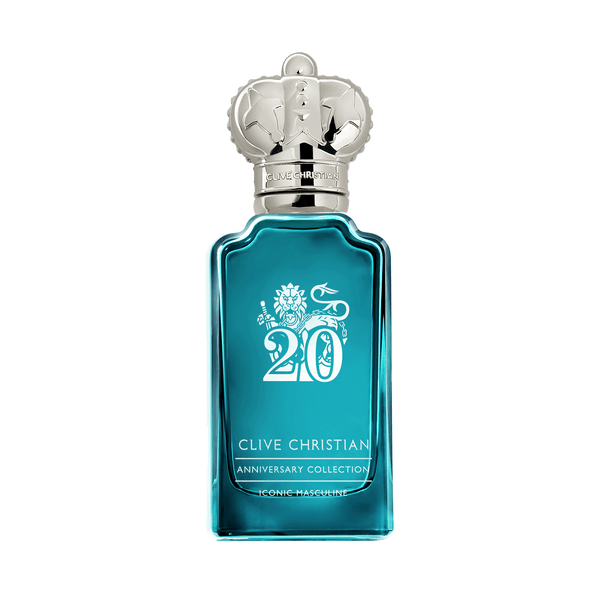
Yuzu, Haitian vetiver & Mandarin
Iconic Masculine